
Building Financial Confidence Through Scenario Planning
We started zaraqosent in 2019 because we kept seeing businesses make decisions based on single forecasts. One projection. One future. And when things didn't go according to plan—which they rarely do—there wasn't a backup.
How We Got Here
The idea came from working with a manufacturing client in Brisbane who nearly went under in early 2020. They had projections showing steady growth, loans structured around those numbers, and no alternative scenarios mapped out. When supply chains collapsed, they scrambled.
That's when it clicked. Most businesses aren't planning for multiple futures—they're planning for one optimistic version and hoping it works out. We built zaraqosent to change that approach. Not through complex algorithms or fancy dashboards, but through practical scenario modeling that actually helps people make decisions.
Our approach borrows from stress-testing frameworks used in banking but strips away the unnecessary complexity. We focus on three to five realistic scenarios—optimistic, pessimistic, and most likely variations—then map out what each one means for cash flow, staffing, and operations.

The People Behind the Models
We're a small team that takes scenario planning seriously but doesn't take ourselves too seriously.
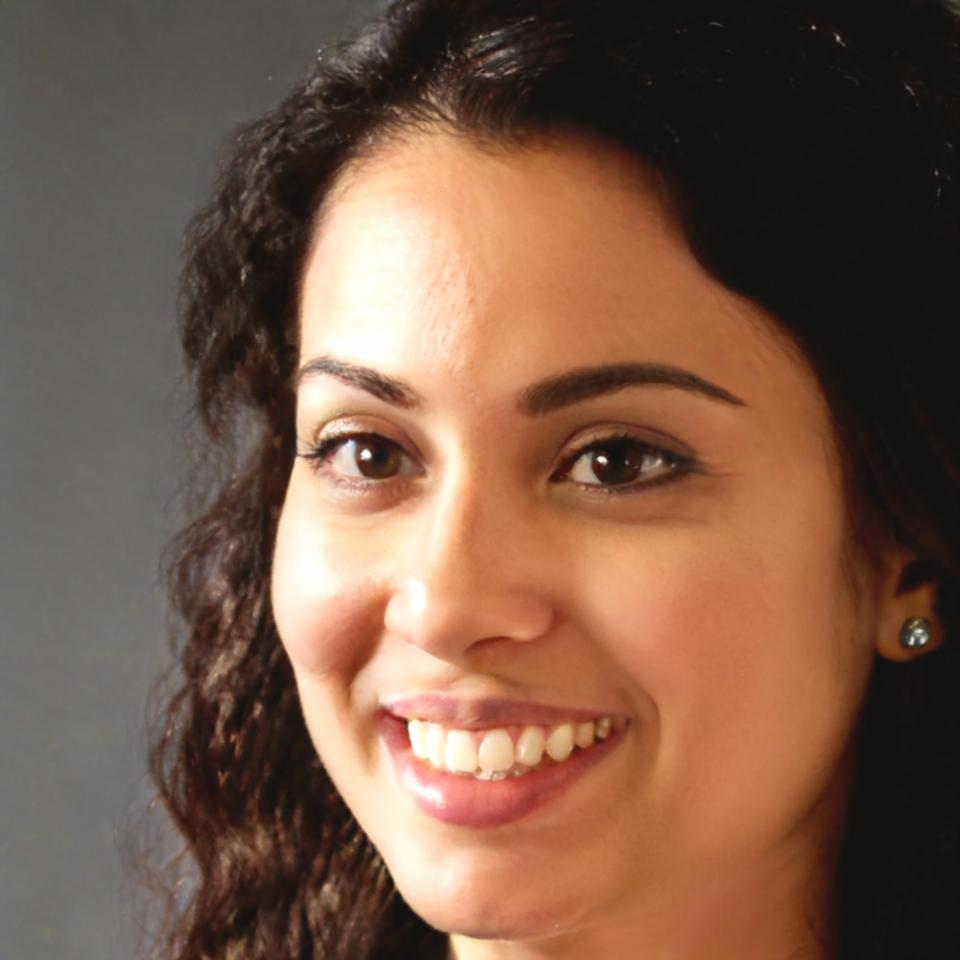
Astrid Viklund
Astrid spent twelve years in corporate finance before realizing most businesses need simpler tools, not more complicated ones. She designed our scenario framework after watching too many companies struggle with software they couldn't actually use. Her background includes risk analysis for mid-sized manufacturers and service companies across New South Wales.
She believes financial planning should feel practical, not academic. When clients ask about worst-case scenarios, Astrid doesn't sugarcoat—she maps out realistic challenges and helps build contingency plans that actually work.
Areas of Focus
Tobias Kowalski
Tobias builds the models that test your assumptions. He's methodical about data and skeptical about projections that look too perfect. Before zaraqosent, he worked in economic forecasting and learned that uncertainty isn't something to hide—it's something to plan for.
Freya Lindström
Freya translates complex financial scenarios into plain language. She works directly with business owners to understand their concerns and structure planning sessions that address real operational challenges, not hypothetical ones.
Our Approach to Scenario Modeling
We don't believe in single-point forecasts. Markets shift, suppliers change, customers behave unpredictably. Our method accounts for that reality.


Four-Stage Planning Framework
Baseline Assessment
We start by mapping your current financial position—not what you hope it is, but what the numbers actually show. This includes cash reserves, debt obligations, fixed costs, and variable expenses. We look at three to six months of historical data to understand patterns.
Assumption Testing
Every projection relies on assumptions. Revenue growth rates. Customer retention. Supplier stability. We identify which assumptions carry the most risk and test them under different conditions. This is where optimistic projections get reality-checked.
Scenario Development
We build three to five scenarios based on your specific situation. A retail client might model scenarios around foot traffic variations. A service business might focus on client acquisition rates. Each scenario includes clear triggers so you know which one you're experiencing.
Decision Mapping
The final step connects scenarios to actual decisions. If revenue drops fifteen percent, what gets cut first? If growth exceeds projections, where does expansion capital go? We document these decision paths so you're not figuring things out in crisis mode.
What You Actually Get
Beyond the models and spreadsheets, here's what working with zaraqosent looks like in practice.
Planning That Holds Up Under Pressure
When market conditions change—and they will—you'll have pre-built scenarios ready to reference. No scrambling to figure out next steps. No panic decisions based on outdated projections. Just clear paths forward that you've already mapped out.
Better Conversations with Stakeholders
Whether you're talking to investors, banks, or your leadership team, scenario models give you credibility. You're not presenting wishful thinking—you're showing that you've thought through multiple outcomes and have plans for each one.
Reduced Decision Fatigue
Most business owners are exhausted from constantly reacting to surprises. Scenario planning reduces that cognitive load by providing decision frameworks in advance. You've already considered the possibilities, so execution becomes more straightforward.
Realistic Risk Assessment
We help you identify which risks actually matter and which ones are just noise. Not every potential problem deserves equal attention. Our modeling shows you where to focus your contingency planning and where you can safely accept uncertainty.
Operational Clarity
Financial scenarios aren't just about numbers—they connect to real operational decisions. Hiring timelines. Inventory levels. Marketing spend. Equipment purchases. Our models help you see how financial outcomes translate to day-to-day business operations.
Ready to Plan for Multiple Futures?
We're scheduling scenario planning sessions for businesses across Australia throughout 2025. Most engagements start with a two-hour assessment where we map your current situation and identify which scenarios matter most for your business.